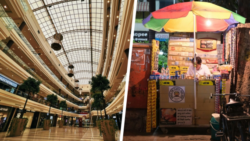
The supermarket in 2086: From a place of provision to a social gathering space
Can retail respond to uncertainty and change with regionalism, cooperatives, and third places?
20.04.2026
The constant: Needs behind consumption

Retail as a social space: Connection over acceleration
The idea of homo economicus – someone simply trying to optimize a transaction – is unrealistic. Emotional needs will find their way in, including in retail.
Mastering an aging society, rising uncertainty, and declining purchasing power

© envato/Pressmaster
Retailers will have to operate efficiently because there will be less purchasing power. At the same time, they will have to preserve their human face. Striking that balance will be the central challenge of the coming decades.
I can imagine a return of cooperatives in which customers become co-owners of the supermarket. In doing so, they would also support the regional economy and local supply structures, as well as local jobs.
Sustainability and competition drive new business models
Private labels will become more important because they allow retailers to stand out from competitors and respond more quickly to trends. Along with that, vertical integration will increase, and retailers will increasingly become producers themselves.
I find the personalization of products very exciting because their value-signaling function is often underestimated. It is about expressing values such as sustainability or trend awareness.

The portrait was AI-generated.